
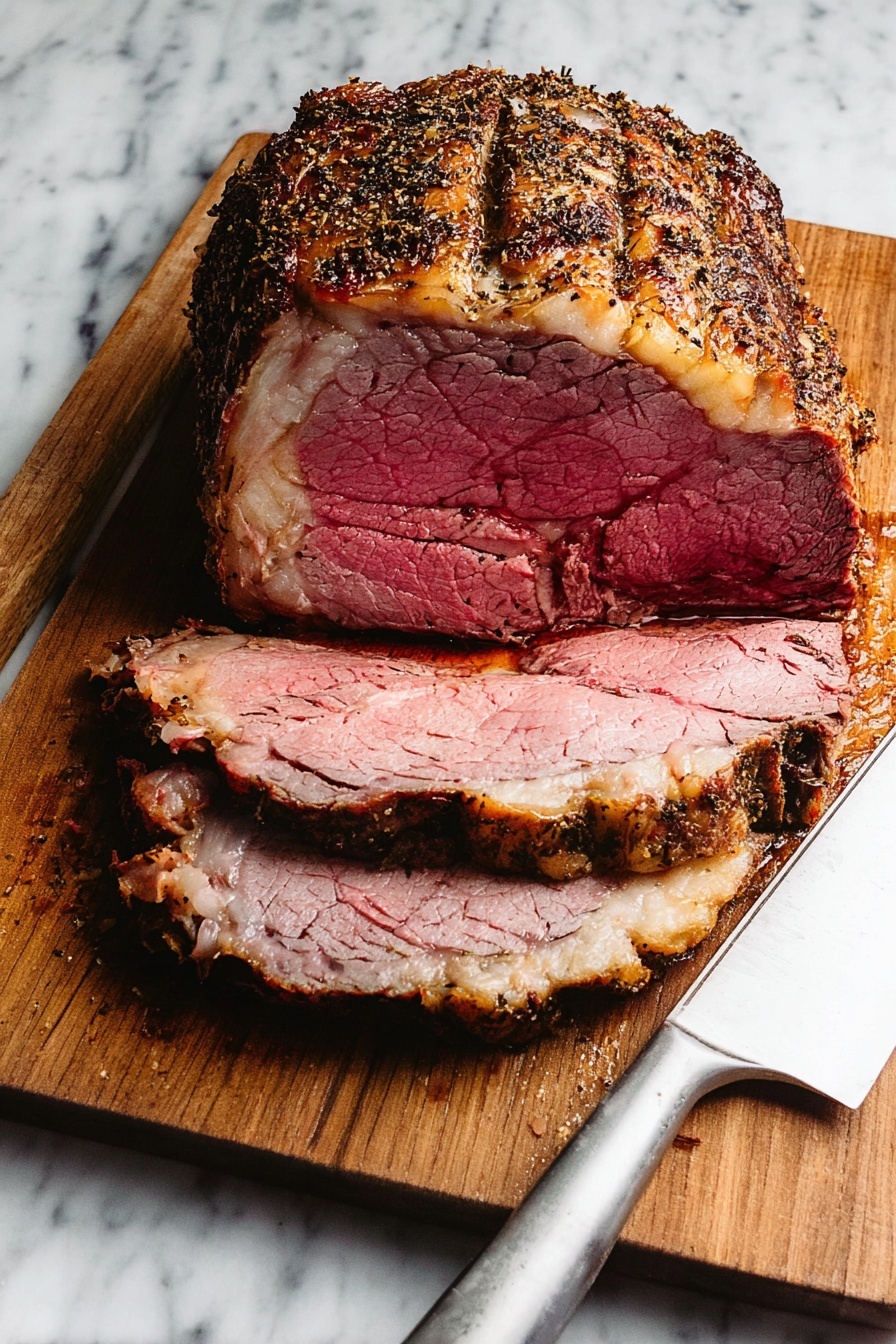
There’s nothing quite like the aroma of a perfectly roasted prime rib hitting your kitchen—rich, aromatic, and irresistible. This Garlic Herb Prime Rib Roast Recipe is my go-to when I want to impress without stressing; it’s got that gorgeous crust, juicy interior, and a depth of flavor that just melts into every bite.

Jump to:
Why You'll Love This Recipe
Prime rib can feel intimidating, but this Garlic Herb Prime Rib Roast Recipe breaks it down into simple, rewarding steps that even a home cook can master. I love how the garlic and fresh herbs form a deeply savory crust that seals in every drop of flavor.
- User-friendly method: It’s straightforward—no complicated techniques—and turns out perfectly roasted meat every single time.
- Flavor-packed herb butter: Garlic, rosemary, and thyme elevate the roast, creating that signature unbeatable crust you’ll find yourself craving.
- Versatile accompaniments: The optional red wine au jus adds a glossy finish and deepens the flavor making it restaurant-worthy.
- Impressive but doable: Whether you’re hosting a holiday feast or a special dinner, this roast steals the show without being stressful.
Ingredients & Why They Work
Each ingredient in the Garlic Herb Prime Rib Roast Recipe plays its part in complementing this luxurious cut of meat. The butter carries the herbs and garlic, infusing the roast with intense flavor, while kosher salt and fresh cracked pepper build that beautifully seasoned crust. If you choose to make the au jus, red wine adds acidity and richness to balance out the prime rib's fat.
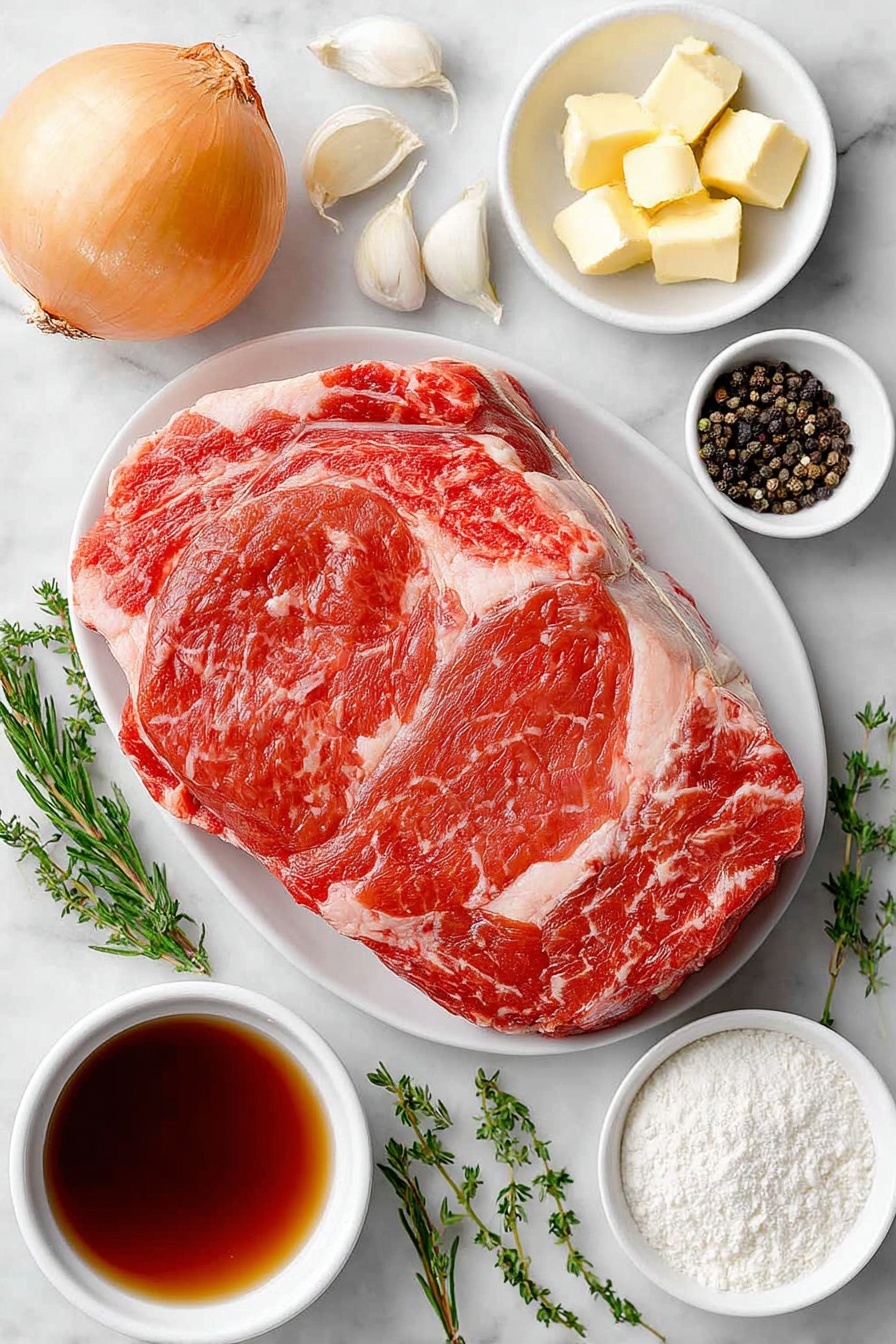
- Prime rib (bone-in): Buying bone-in adds extra flavor and juiciness; ask your butcher to tie the bones back on for easier carving.
- Butter (softened): Acts as the base for the herb rub, helping the seasonings cling and crisp up nicely in the oven.
- Garlic cloves (minced): Fresh garlic gives a pungent warmth that enhances the roast’s savory profile.
- Kosher salt: Essential for a juicy roast; it penetrates the meat and helps form that irresistible crust.
- Fresh thyme and rosemary (finely chopped): These herbs bring a fragrant, woodsy depth that pairs perfectly with beef.
- Black pepper: Adds a subtle bite and complements the garlic-herb mixture beautifully.
- Yellow onion (if making au jus): Adds sweetness and body to the pan sauce.
- Beef broth and red wine (for au jus): Bring moisture and complexity to the sauce for dipping or drizzling.
- Cornstarch or arrowroot powder (optional): For thickening the au jus if you prefer a slightly richer sauce.
Make It Your Way
This recipe is such a crowd-pleaser, but I like to tweak it depending on the occasion or my mood. Sometimes I add a bit of crushed red pepper for a subtle heat, or swap fresh rosemary for sage if I’m feeling extra cozy and rustic.
- Variation: I once experimented by spreading a thin layer of horseradish mustard under the herb butter—it created a gentle tang that paired surprisingly well with the richness.
- Dietary modification: If you’re cutting back on butter, you can use olive oil infused with garlic and herbs, though it won’t set the crust quite as crisply.
- Seasonal change: In winter, I love adding fresh sage and a touch of smoked paprika for warmth and extra depth.
Step-by-Step: How I Make Garlic Herb Prime Rib Roast Recipe
Step 1: Bring It to Room Temperature
Patience here pays off big time. I always pull the prime rib out of the fridge 2 to 3 hours before cooking so it can come to room temperature. This helps it cook more evenly and prevents the outside from overcooking while the center warms through.
Step 2: Make the Garlic Herb Butter
While the meat rests, I mix softened butter with minced garlic, kosher salt, finely chopped fresh thyme, rosemary, and black pepper. This butter is the star of the show—it's what builds that irresistible savory crust.
Step 3: Coat the Prime Rib
Once the prime rib is at room temp, I pat it dry carefully with paper towels—this is critical to help the herb butter stick and crisp up. Then I rub every inch of the roast with the herb butter mixture, making sure to cover the fat and sides too. Don’t be shy here!
Step 4: Roast It Right
I place the prime rib in a roasting pan, bones down (if your butcher did the tying, this is easy to manage). For the au jus lovers, quartered yellow onions go around the roast to add flavor. Then I pop it in the oven preheated to 450°F (230°C) for 20 minutes—this sears the outside and builds a lovely crust.
After that, reduce the heat to 325°F (160°C) and roast until the internal temperature hits 120°F (50°C) for medium-rare—usually about an hour and a half, but always best to check with a thermometer.
Step 5: Rest & Slice
Once the roast reaches temp, I take it out and loosely tent with foil, letting it rest for 20–30 minutes. This step is crucial—it lets the juices redistribute, so your slices stay tender and juicy. When ready, I carefully cut the string and remove the bones, then carve thick, half-inch slices.
Step 6: Make the Optional Red Wine Au Jus
After separating the fat from the pan drippings, I add about ¼ cup back, then pour in beef broth and red wine. Toss in leftover herbs if you have them, then simmer until the sauce reduces by half—about 15 minutes. For a thicker sauce, I whisk in a slurry of cornstarch or arrowroot powder at the end. Then strain, and you’ve got the perfect savory drizzle for your roast.
Top Tip
From my experience, these simple tips can take your Garlic Herb Prime Rib Roast Recipe from great to unforgettable—especially if it’s your first time cooking prime rib.
- Bone Handling Made Easy: I always ask my butcher to cut the bones off then tie them back on; it makes carving so much easier when you remove the string at the end.
- Monitor Internal Temperature: Use a reliable meat thermometer to get that perfect medium-rare; cooking times vary, so don’t wing it based on clocks alone.
- Don’t Skip the Rest: Resting allows juices to redistribute—if you cut too soon, you’ll lose all that beautiful moisture.
- Fat Separator for Au Jus: Using a fat separator when making your au jus guarantees the sauce isn’t greasy but still packed with flavor.
How to Serve Garlic Herb Prime Rib Roast Recipe
Garnishes
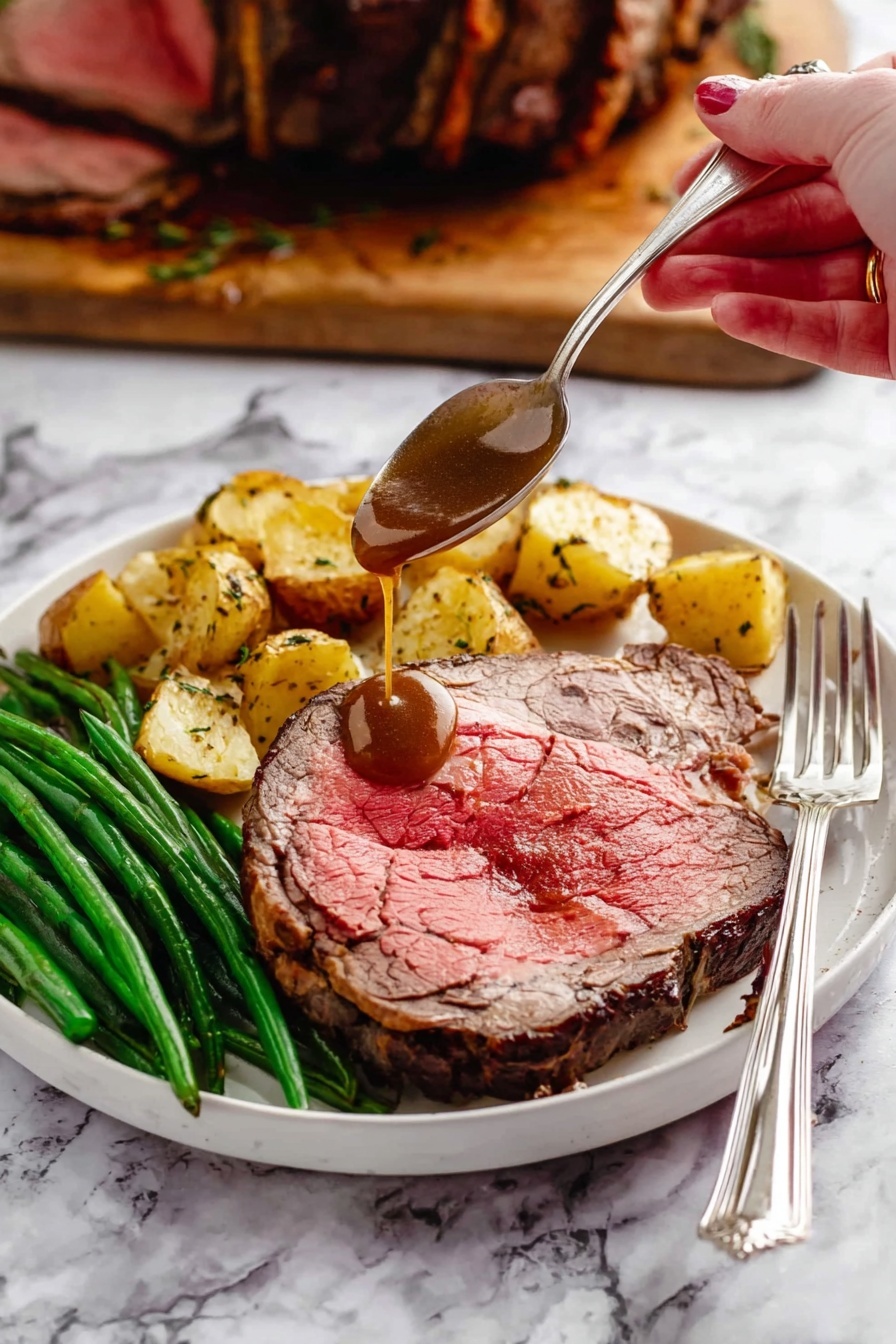
I keep garnishes simple and fresh—sprigs of fresh rosemary or thyme laid atop the slices add a lovely fragrance and a pop of color. Sometimes I add a touch of flaky sea salt right before serving to enhance the crust’s flavor.
Side Dishes
My favorite sides with this prime rib are creamy mashed potatoes (because the gravy demands it!), roasted root vegetables like carrots and parsnips, and a crisp green salad with a tangy vinaigrette to balance all that richness.
Creative Ways to Present
For special occasions, I arrange the sliced prime rib on a wooden board surrounded by herb sprigs, roasted garlic bulbs, and small bowls of au jus and horseradish cream. It makes a stunning centerpiece that invites everyone to dig in family-style.
Make Ahead and Storage
Storing Leftovers
After the meal, I wrap leftover slices tightly in plastic wrap or place them in an airtight container and refrigerate. They stay juicy and flavorful for up to 3 days—perfect for sandwiches or quick reheats.
Freezing
I’ve frozen leftover prime rib successfully by portioning sliced meat into freezer bags. Just make sure to squeeze out as much air as possible. When thawing, I do it slowly in the fridge overnight to preserve texture.
Reheating
To reheat without drying out, I wrap slices in foil with a splash of beef broth, then warm them gently in a low oven (about 300°F) until heated through. This keeps the meat tender and juicy, almost like fresh.
Frequently Asked Questions:
The most reliable method is using an instant-read meat thermometer inserted into the thickest part of the roast (away from bones). Pull the meat at 120°F (50°C) for medium-rare, considering it will continue to cook slightly while resting.
Absolutely. The au jus is optional but adds delicious depth. The roast is flavorful and juicy on its own thanks to the herb butter crust, so serving it without sauce works just fine.
Dried herbs can work in a pinch, but fresh herbs really bring out the best flavor in this recipe. If using dried, reduce the quantity by half and mix them well into the butter so they release their aroma during roasting.
After letting the roast rest and removing the bones and string, slice the prime rib perpendicular to the grain about ½ inch thick. Using a sharp carving knife will help create clean, attractive slices that hold together well on the plate.
Final Thoughts
This Garlic Herb Prime Rib Roast Recipe holds a special place in my kitchen—it’s that recipe I turn to when I want a dish that looks luxurious and tastes even better, without needing to be a pro chef. You’ll find yourself savoring every succulent slice and your guests will be impressed by your cooking skills, even if you’re feeling a little nervous at first. Give it a try; trust me, once you nail this roast, it becomes your “go-to” for celebrations and cozy dinners alike.
Print
Garlic Herb Prime Rib Roast Recipe
- Prep Time: 15 minutes
- Cook Time: 1 hour 30 minutes
- Total Time: 1 hour 45 minutes
- Yield: 8 servings
- Category: Main Course
- Method: Baking
- Cuisine: American
Description
This Best No-Fail Prime Rib recipe features a bone-in prime rib roast coated with a garlic herb butter crust, roasted to perfection for a juicy and tender medium-rare finish. It includes an optional red wine au jus sauce for added richness, making it an impressive and flavorful main course perfect for special occasions or holiday meals.
Ingredients
Prime Rib
- 6 pounds prime rib, bone-in (with bones cut off and tied back on)
- ½ cup butter, softened
- 6 garlic cloves, minced
- 1 tablespoon kosher salt
- 1 teaspoon finely chopped fresh thyme
- 1 teaspoon finely chopped fresh rosemary
- 1 teaspoon black pepper
- 1 medium yellow onion, quartered (if making the red wine au jus)
Red Wine Au Jus (Optional)
- ¼ cup drippings from prime rib pan, fat separated
- 2 cups beef broth
- 1 ½ cups red wine
- 1 tablespoon cornstarch or arrowroot powder (optional, for thickening)
Instructions
- Bring to Room Temperature: Remove the prime rib from the refrigerator 2 to 3 hours before cooking to allow it to come to room temperature, ensuring even cooking.
- Make the Herb Butter: Preheat your oven to 450°F (230°C). In a small bowl, combine softened butter, minced garlic, kosher salt, chopped fresh thyme, rosemary, and black pepper to create the garlic herb butter mixture.
- Coat the Prime Rib: Pat the prime rib dry with paper towels once it has reached room temperature. Rub the entire outside of the roast evenly with the prepared garlic herb butter mixture.
- Prep the Prime Rib for Roasting: Place the prime rib in an oven-safe pan or roasting tray, bone-side down and fat-side up. If preparing the red wine au jus, arrange the quartered yellow onion slices around the meat in the pan.
- Sear at High Heat: Roast the prime rib in the center of the preheated oven at 450°F (230°C) for 20 minutes to develop a flavorful crust. If the crust is insufficient, cook for a few more minutes.
- Reduce Temperature and Continue Cooking: Lower the oven temperature to 325°F (160°C) and continue roasting the prime rib until the internal temperature reaches 120°F (50°C) for medium-rare. This will take about 1 hour and 30 minutes depending on the oven and meat size.
- Rest the Meat: Remove the roast from the oven and tent it with aluminum foil. Let it rest for 20 to 30 minutes to allow juices to redistribute. Then, remove the string and bones, and slice into thick ½-inch slices.
- Make the Red Wine Au Jus (Optional): After separating fat from the pan drippings, add up to ¼ cup drippings back along with 2 cups beef broth and 1 ½ cups red wine to the roasting pan. Optionally add leftover herbs. Simmer over medium heat for 15 minutes or until reduced by half. If desired, stir in a slurry of 1 tablespoon cornstarch or arrowroot powder to thicken.
- Strain and Serve Sauce: Strain the au jus through a fine mesh sieve to remove onions and solids. Serve warm alongside sliced prime rib or drizzle over the meat.
Notes
- Ask your butcher to remove the bones from the prime rib and tie them back on for easier removal after cooking.
- Monitor the internal temperature even while resting, as carryover heat can raise it slightly if rested too long.
- Use a fat separator for the au jus to ensure a less greasy sauce.
- If you do not have fresh herbs, dried thyme and rosemary can be substituted but use half the quantity.
- Use a meat thermometer for precise doneness instead of relying solely on cooking times.
Nutrition
- Serving Size: 6 ounces
- Calories: 620 kcal
- Sugar: 1 g
- Sodium: 650 mg
- Fat: 45 g
- Saturated Fat: 22 g
- Unsaturated Fat: 20 g
- Trans Fat: 0 g
- Carbohydrates: 2 g
- Fiber: 0 g
- Protein: 50 g
- Cholesterol: 160 mg




Leave a Reply