
There’s something so satisfying about the way perfectly cooked noodles soak up a rich, savory sauce—and that’s exactly why this Hibachi Noodles Recipe is a keeper. It’s straightforward, full of flavor, and comes together quickly, making it a favorite in my kitchen whenever I want that comforting restaurant taste at home.

Jump to:
Why You'll Love This Recipe
I have to admit, making hibachi noodles at home was a game changer for me. No longer did I have to rely on takeout to enjoy those noodles with that perfect balance of sweetness, savoriness, and that little hint of smokiness. This recipe nails it every time, and it’s super customizable, too!
- Simple Ingredients: You probably already have most of what you need in your pantry, which makes whipping this up a breeze.
- Quick and Easy: Ready in under 40 minutes, it’s perfect for busy weeknights when you want something tasty without fuss.
- Restaurant Quality at Home: The sauce is just right—not too salty, not too sweet—giving you that hibachi spot flavor you’re craving.
- Customizable: You can tweak the ingredients to add your favorite proteins or veggies and make it your own masterpiece.
Ingredients & Why They Work
This Hibachi Noodles Recipe shines because each ingredient plays a distinct role to create that harmonious flavor and texture combo. From the noodles to the sauce, it’s all about balance.

- Yakisoba, lo mein, or spaghetti: I prefer yakisoba for that authentic, slightly chewy texture, but spaghetti works well in a pinch.
- Low-sodium soy sauce: It keeps the saltiness in check so the dish doesn’t overpower with salt, giving you control over the flavor.
- Sesame oil: That nutty aroma is key—it’s what really gives the dish its hibachi flair.
- Light brown sugar: Adds a touch of caramelized sweetness that balances out the salty soy sauce beautifully.
- Minced garlic: Garlic gives the dish an irresistible depth; fresh is always best here.
- Minced ginger: I love how ginger adds a warm, zesty layer of freshness to the sauce.
- Unsalted butter: Adds richness and helps give the noodles that slight golden crisp when sautéed.
- Toasted sesame seeds: The garnish that offers a little crunch and a pop of nutty flavor—you don’t want to skip these!
Make It Your Way
The beauty of this recipe is how you can make it truly yours. I often toss in some sautéed mushrooms or thin strips of chicken to bulk it up, and you’ll feel proud adding your favorite twists.
- Variation: One of my favorite ways to customize is adding green onions and sliced bell peppers near the end of cooking—adds freshness and color.
- Vegetarian option: Skip the meat and load up on veggies like broccoli, snap peas, or even baby corn for a lighter, meat-free meal.
- Spice it up: If you like a little heat, sprinkle in some crushed red pepper flakes or drizzle a bit of chili oil right before serving.
Step-by-Step: How I Make Hibachi Noodles Recipe

Step 1: Cook the Noodles Just Right
Start by boiling your noodles just shy of fully soft. I like them slightly al dente because they’ll finish cooking in the pan and soak up the sauce without getting mushy. Drain and set aside—don’t rinse, you want the sauce to cling!
Step 2: Whisk Together the Sauce
In a bowl, mix soy sauce, sesame oil, brown sugar, garlic, and ginger until the sugar dissolves. This sauce is the heart of your hibachi noodles—make sure everything is well combined.
Step 3: Sauté the Noodles in Butter
Melt butter in a large nonstick skillet over medium-high heat. Add the noodles and let them sit a bit without stirring to get a slight golden color—this step boosts flavor and texture and brings that hibachi experience home.
Step 4: Toss with Sauce and Finish Cooking
Pour your sauce over the browned noodles and toss everything together. Cook for another 2-3 minutes—this melds the flavors perfectly and allows the noodles to soak up that juicy sauce.
Step 5: Garnish and Serve
Sprinkle toasted sesame seeds over the top for a nice crunch and nuttiness. Serve immediately and enjoy every last bite!
Top Tip
From countless times cooking hibachi noodles at home, here are my best tips that always help me nail this dish:
- Perfect Noodle Texture: Don’t overcook your noodles. Leaving them a little firm before sautéing ensures they won’t be soggy when finished.
- Brown Sugar Balance: I once added too much sugar—lesson learned! Stick to the measurement because it balances the salty soy without overpowering.
- High Heat for Sautéing: Using medium-high heat helps the noodles get slight browning, giving that subtle smoky flavor reminiscent of hibachi grills.
- Don’t Rinse the Noodles: Keeping the starch on noodles allows the sauce to cling better. Rinsing washes that flavor-carrying layer away.
How to Serve Hibachi Noodles Recipe

Garnishes
I’m a big fan of keeping garnishes simple but effective—fresh chopped green onions and toasted sesame seeds are my go-tos. Sometimes I add a sprinkle of crushed red pepper for a subtle kick. They not only elevate the look but bring texture and extra flavor.
Side Dishes
Pairing hibachi noodles with classic hibachi sides takes the meal up a notch. I like a light cucumber salad or steamed broccoli with a touch of soy and garlic. Grilled shrimp or chicken skewers also complement the noodles perfectly.
Creative Ways to Present
For dinner parties, I’ve served hibachi noodles in shallow bowls with a side of dipping sauces—like a spicy mayo or a tangy ponzu—for guests to customize. It makes the meal interactive and fun!
Make Ahead and Storage
Storing Leftovers
After cooking, I let the hibachi noodles cool completely and store them in an airtight container in the fridge. They keep well for up to 3 days, making it easy for quick lunches or dinners.
Freezing
I’ve frozen leftovers a couple of times; to keep the best texture, reheat gently to avoid dryness. Freeze in portions to thaw just what you need.
Reheating
Reheat hibachi noodles in a skillet over medium heat with a splash of water or soy sauce to refresh the moisture and prevent sticking. Microwaving works too—I just cover loosely and stir halfway through.
Frequently Asked Questions:
Absolutely! Lo mein or even spaghetti work just fine if you don’t have yakisoba. The key is to cook them al dente and follow the sauce recipe.
Use gluten-free soy sauce (tamari) and gluten-free noodles, like rice noodles or gluten-free spaghetti alternatives. The rest of the ingredients are naturally gluten-free.
Yes! Adding sautéed veggies like bell peppers, mushrooms, or snap peas is delicious. Grilled chicken, shrimp, or tofu can easily be tossed in to make it a complete meal.
Reheat gently in a skillet over medium heat with a splash of water or extra soy sauce to keep them from drying out. Stir occasionally until warmed through. Microwaving works too, but watch closely to prevent overcooking.
Final Thoughts
Honestly, this Hibachi Noodles Recipe is one of those dishes I always keep in my back pocket when I want something comforting, delicious, and quick. It brings the fun of hibachi-style cooking right into your own kitchen—and with a little love, it tastes even better than takeout. Give it a go, and I promise it’ll become your new favorite noodle dish too!
Print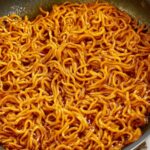
Hibachi Noodles Recipe
- Prep Time: 15 minutes
- Cook Time: 20 minutes
- Total Time: 35 minutes
- Yield: 4 servings
- Category: Main Course
- Method: Stovetop
- Cuisine: Japanese
Description
A flavorful and easy Hibachi Noodles recipe featuring tender noodles tossed in a savory soy-based sauce with garlic, ginger, and a hint of sweetness, finished with toasted sesame seeds for an authentic Japanese steakhouse taste.
Ingredients
Noodles
- 1 lb yakisoba, lo mein, or spaghetti
Sauce
- ½ cup low-sodium soy sauce
- 1 tablespoon sesame oil
- 2 tablespoons packed light brown sugar
- 1 tablespoon minced garlic
- 1 tablespoon minced ginger
For Cooking and Garnish
- 2 tablespoons unsalted butter
- 1 tablespoon toasted sesame seeds (for garnish)
Instructions
- Cook Noodles: Cook the noodles or pasta until just before completely soft or al dente, retaining a slight bite. Drain and set aside.
- Prepare Sauce: In a bowl, whisk together the low-sodium soy sauce, sesame oil, packed light brown sugar, minced garlic, and minced ginger until well combined.
- Melt Butter: Heat a large nonstick skillet over medium-high heat and add the unsalted butter. Allow the butter to melt completely.
- Cook Noodles: Add the cooked noodles to the skillet and cook, stirring occasionally, to develop a slight coloring on the noodles, enhancing their flavor.
- Add Sauce: Pour the prepared sauce over the noodles and toss thoroughly to combine, making sure the noodles are evenly coated with the sauce.
- Meld Flavors: Continue cooking the noodles with the sauce for an additional 3 minutes on medium-high heat to meld the flavors together.
- Garnish and Serve: Remove the skillet from heat, garnish the noodles with toasted sesame seeds, serve immediately, and enjoy your homemade Hibachi Noodles!
Notes
- For a vegetarian version, use vegetable broth or water instead of butter or use a plant-based butter substitute.
- If yakisoba or lo mein noodles are unavailable, spaghetti is a great substitute.
- Adjust the amount of soy sauce to taste, depending on desired saltiness.
- Adding sautéed vegetables or protein such as chicken, shrimp, or tofu can make it a more complete meal.
- Use low-sodium soy sauce to control salt content, especially if dietary restrictions apply.
- Make sure not to overcook noodles to maintain a pleasant texture.
Nutrition
- Serving Size: 1 serving
- Calories: 400 kcal
- Sugar: 8 g
- Sodium: 700 mg
- Fat: 12 g
- Saturated Fat: 5 g
- Unsaturated Fat: 6 g
- Trans Fat: 0 g
- Carbohydrates: 60 g
- Fiber: 3 g
- Protein: 10 g
- Cholesterol: 15 mg





Leave a Reply