
There’s something truly comforting about a warm, tender scone fresh from the oven. This Irish Currant Scones Recipe is one I make whenever I want flaky, lightly sweetened scones bursting with little pops of dried currants—a perfect treat for breakfast or afternoon tea.

Jump to:
Why You'll Love This Recipe
I remember the first time I baked these scones; the smell filling my kitchen instantly transported me to a cozy Irish countryside bakery. What I adore is how simple ingredients come together to create something both classic and irresistibly flaky.
- Simple Ingredients: Uses pantry staples, making it easy to whip up anytime you crave fresh scones.
- Flaky and Tender: Cold butter and minimal mixing ensure layers that melt in your mouth.
- Perfectly Sweetened: A subtle touch of sugar and currants create a delightful flavor without overpowering.
- Versatile Serving: Enjoy them warm with butter, your favorite jam, or rich clotted cream for a traditional Irish teatime.
Ingredients & Why They Work
Before you start, make sure to gather good-quality ingredients — the better the butter and currants, the tastier your scones will be. Using cold butter is essential to achieve that classic flaky texture, while fresh eggs and cream bring richness and moisture.
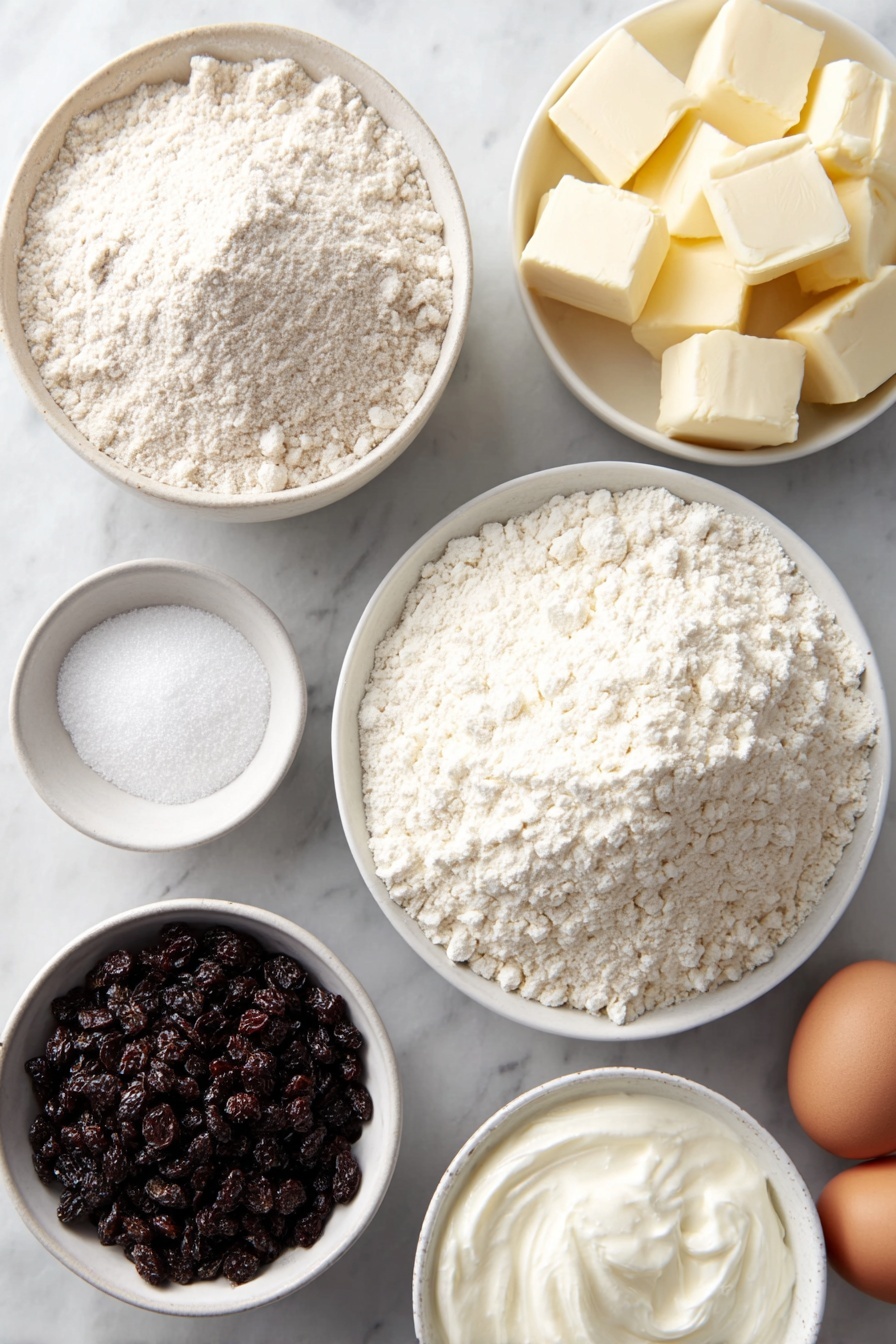
- All-purpose flour: The base of our dough, providing the right structure without making the scones too dense.
- Sugar: Just enough to add a light sweetness that complements the currants.
- Baking powder: Helps the scones rise nicely, creating that tender, fluffy crumb.
- Salt: Balances the sweetness and enhances the overall flavor.
- Cold unsalted butter: Key for flaky layers—keep it cold to prevent melting before baking.
- Dried currants or raisins: These little bursts of sweetness add texture and traditional Irish flair.
- Eggs: Provide structure and richness to the dough.
- Heavy cream: Adds moisture and tenderness, making the scones soft inside.
- Egg wash: Brushed on top for a beautiful, golden-brown finish once baked.
Make It Your Way
The beauty of this Irish Currant Scones Recipe is how easily you can put your own spin on these tender, flaky treats. Whether you want to tweak the fruit, add some spices, or swap ingredients to suit your taste or dietary needs, scones are wonderfully adaptable.
- Swap the Fruit: I've tried substituting currants with dried cranberries or chopped dried apricots for a slightly different flavor. Each variation brings a unique sweetness and chewiness that pairs perfectly with clotted cream.
- Spice It Up: Add a teaspoon of cinnamon or nutmeg to the dry ingredients for a warm, cozy twist. It’s especially comforting in colder months!
- Make It Vegan: Replace the butter with a vegan butter alternative and use plant-based cream and egg substitutes. The texture is still lovely, though a little less rich.
- Berry Season: In spring or summer, swap currants for fresh or frozen blueberries or raspberries. Just add them last minute before cutting the dough to keep the juices from bleeding too much.
- Cheese Scones: For a savory take, omit the sugar and currants, then stir in shredded sharp cheddar and a pinch of chopped fresh herbs like chives or thyme. Bake and enjoy warm with butter.
Step-by-Step: How I Make Irish Currant Scones Recipe
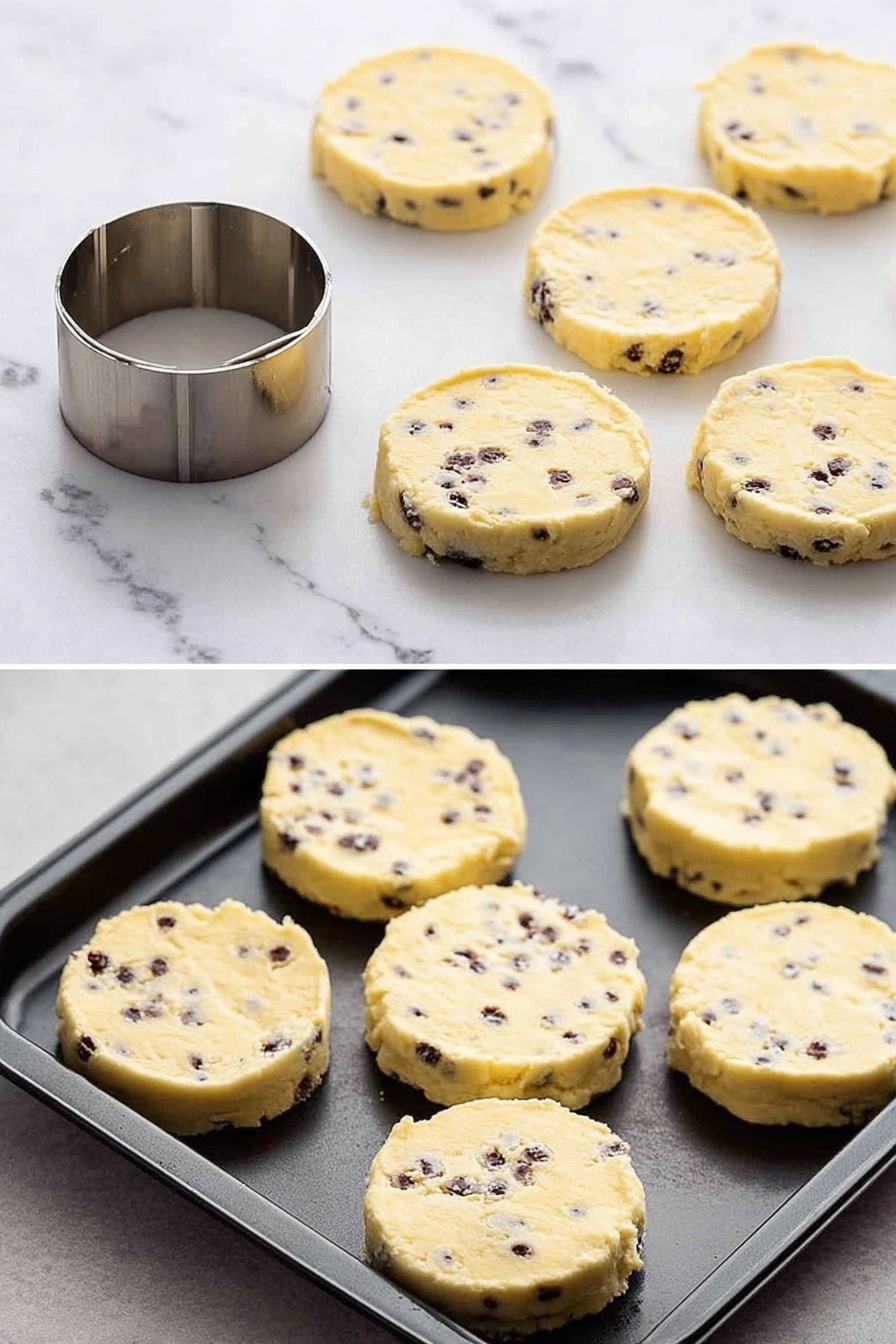
Step 1: Preheat and Prepare
First things first, set your oven to 350 degrees Fahrenheit. Giving it enough time to reach this temperature ensures your scones bake evenly and come out golden with a perfect crust. Meanwhile, gather all your ingredients to streamline the process.
Step 2: Combine the Dry Ingredients
In a large bowl, sift together 4 cups of all-purpose flour, 3 tablespoons sugar, 2 tablespoons baking powder, and 1 tablespoon salt. Mixing these ingredients thoroughly creates an even base, giving your scones the perfect rise and balanced flavor. I like to whisk them gently to avoid clumps.
Step 3: Cut in the Butter and Add Currants
Next, add ½ cup of cold, cubed unsalted butter to your dry mix. Using a pastry cutter or two knives, blend the butter in until the mixture looks like coarse breadcrumbs — those little butter bits are what make your scones flaky and tender! Then fold in ¾ cup dried currants. If you don’t have a pastry cutter handy, grating the cold butter straight into the flour is a neat trick that saves time.
Step 4: Combine the Wet Ingredients
In a separate container, whisk together 4 beaten large eggs with 1 cup of heavy cream. This rich mixture will bring the dough together, adding moisture and richness to your scones.
Step 5: Bring the Dough Together
Slowly pour the egg and cream mixture into the dry ingredients, stirring gently with a spatula just until the dough starts forming. Be careful not to over-mix — you want the dough a bit shaggy but coming together. Adding just enough liquid to bind the dough keeps your scones light and tender.
Step 6: Knead and Shape the Dough
Turn the dough out onto a floured work surface and knead lightly just a few times to bring it together smoothly. Then press or roll the dough to about 1 inch thickness. This thickness gives you that classic scone texture — fluffy inside with a tender crumb.
Step 7: Cut and Brush Your Scones
Using a 3-inch round cutter, cut your dough into 12 to 16 scones. Don’t forget to re-roll any scraps to make the most of your dough. Place your scones on a baking sheet and brush the tops generously with the beaten egg wash. This step gives them that irresistible golden, shiny finish.
Step 8: Bake and Enjoy!
Pop your baking sheet into the oven and bake for about 22 minutes. Keep an eye out for that beautiful golden brown color on top — that’s your cue they’re done. Once baked, transfer the scones to a wire rack to cool for a few minutes. Serve warm with butter, jam, or the traditional clotted cream for a real Irish treat!
Top Tip
Mastering the art of the perfect Irish Currant Scones Recipe can be so rewarding, especially when you know a few insider tips that make all the difference. These pointers will help you achieve scones that are tender, flaky, and absolutely delicious every time.
- Keep Butter Ice Cold: Using cold, cubed butter straight from the fridge (or even lightly frozen) ensures those delightful flaky layers. I always freeze my butter for about 30 minutes before mixing it in—it really pays off.
- Mix Just Enough: I learned through trial and error that adding just enough egg and cream mixture to bring the dough together prevents dense, tough scones. Less is more with this recipe!
- Gentle Kneading: A light touch when kneading keeps your scones tender. I press or roll the dough to about 1 inch thick instead of overworking it, which keeps them fluffy.
- Use an Egg Wash: Brushing the scones with beaten egg right before baking gives them that irresistible golden shine and a beautiful crust—don’t skip this step!
How to Serve Irish Currant Scones Recipe
Garnishes
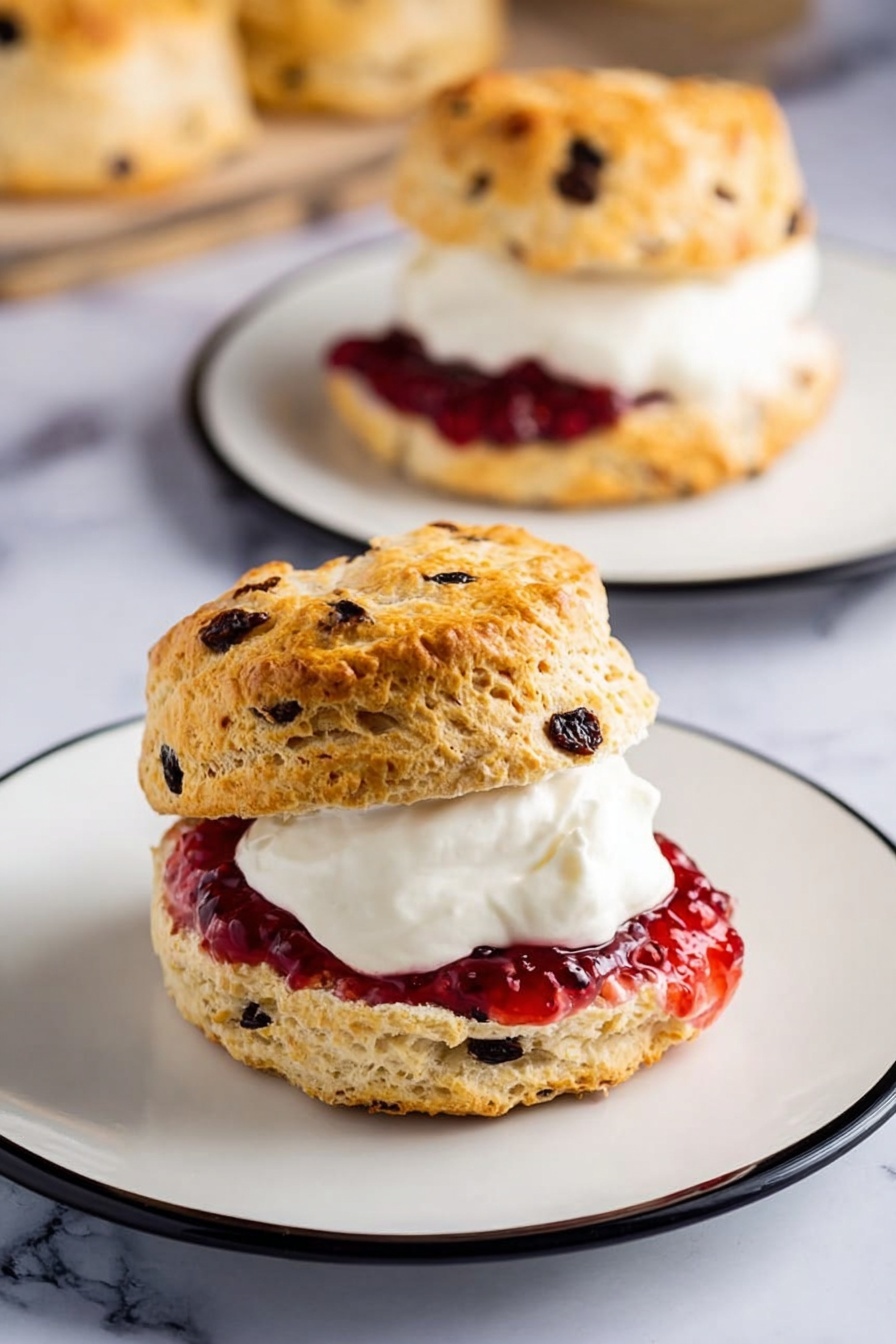
These scones are wonderfully versatile when it comes to garnishing. Classic accompaniments like creamy butter, sweet fruit preserves such as strawberry or raspberry jam, and clotted cream will transport you straight to an Irish brunch. For a personal twist, try honey drizzle or a sprinkle of powdered sugar just before serving for a touch of sweetness and extra charm.
Side Dishes
Pair your Irish Currant Scones with warm beverages like a robust cup of Irish breakfast tea or freshly brewed coffee for the perfect breakfast or afternoon treat. A side of fresh fruit salad or lightly sautéed greens can complement the richness of the scones beautifully, balancing the meal with freshness.
Make Ahead and Storage
Storing Leftovers
If you find yourself lucky enough to have leftovers, store your Irish Currant Scones in an airtight container at room temperature for up to 2 days to keep them fresh. They’re best enjoyed within this time frame to savor their tender crumb and flaky exterior.
Freezing
One of the best things about this Irish Currant Scones Recipe is how freezer-friendly it is. You can freeze both baked and unbaked scones—just wrap them tightly in plastic wrap and pop them into a freezer-safe bag or container. They’ll keep well for up to 3 months, making them perfect for quick, delightful treats whenever you want.
Reheating
To enjoy your scones warm and fresh-tasting, reheat them in a preheated oven at 300°F for about 10 minutes. This helps restore their flaky texture without drying them out. Avoid microwaving if you can—it tends to make scones chewy.
Frequently Asked Questions:
Absolutely! While currants give a classic touch, you can substitute them with raisins, chopped dried cranberries, or chopped dried cherries depending on your preference. Just be sure to adjust quantities as needed.
Over-mixing develops gluten in the flour, which makes the scones dense and tough instead of tender and flaky. Mixing just until the dough comes together will give you that light, airy texture.
You can substitute the heavy cream with a plant-based cream alternative and use a dairy-free butter substitute. Keep in mind this might slightly alter the texture and flavor, but they should still turn out delicious.
Serve them warm with clotted cream and your favorite homemade jam, alongside a pot of strong Irish tea or hot chocolate. A fresh bouquet on the table adds that extra cozy, festive touch.
Final Thoughts
There’s something truly heartwarming about biting into a homemade Irish Currant Scones Recipe—flaky on the outside, tender on the inside, with sweet bursts of currants that remind you of traditional Irish hospitality. Whether you’re enjoying them on a quiet morning or sharing with friends over tea, these scones bring a touch of comfort and joy to your table. I hope these tips and ideas inspire you to bake this classic treat often and make it your own. Happy baking!
Print
Irish Currant Scones Recipe
- Prep Time: 20 minutes
- Cook Time: 30 minutes
- Total Time: 50 minutes
- Yield: 16 scones 1x
- Category: Breakfast
- Method: Baking
- Cuisine: Irish
- Diet: Vegetarian
Description
These classic Irish scones are tender, flaky, and lightly sweetened, perfect for breakfast or teatime. Made with simple ingredients like flour, butter, currants, eggs, and cream, they bake up golden and delicious to be enjoyed with butter, jam, or clotted cream.
Ingredients
Dry Ingredients
- 4 cups all-purpose flour
- 3 tablespoons sugar
- 2 tablespoons baking powder
- 1 tablespoon salt
Wet Ingredients
- ½ cup cold unsalted butter, cut into cubes
- ¾ cup dried currants or raisins
- 4 large eggs, beaten
- 1 cup heavy cream
- 1 egg, beaten for egg wash
Instructions
- Preheat the Oven: Preheat your oven to 350 degrees Fahrenheit, allowing it to reach the right baking temperature before the scones go in.
- Mix Dry Ingredients: In a large bowl, combine the all-purpose flour, sugar, baking powder, and salt, mixing thoroughly to ensure even distribution.
- Cut in the Butter: Add the cold, cubed butter to the dry mixture and use a pastry cutter or two knives to blend until the mixture resembles coarse breadcrumbs. Stir in the dried currants or raisins at this stage.
- Combine Wet Ingredients: In a separate container, whisk together the 4 beaten eggs and 1 cup of heavy cream until well combined.
- Form the Dough: Gradually pour the egg and cream mixture into the dry ingredients, stirring gently with a spatula just until the dough starts to come together. Avoid over-mixing to keep the scones tender.
- Knead Lightly: Turn the dough out onto a floured surface and knead it lightly. Then flatten or roll the dough to about 1 inch thickness, creating a smooth surface.
- Cut the Scones: Using a 3-inch round cutter, cut the dough into 12 to 16 scones. Re-roll any scraps to cut additional scones.
- Apply Egg Wash: Place the cut scones on a baking sheet and brush the tops with the beaten egg to give them a golden finish when baked.
- Bake: Bake the scones in the preheated oven for 22 minutes or until golden brown on top and cooked through.
- Cool and Serve: Transfer the baked scones to a cooling rack to cool slightly before serving with butter, jam, and clotted cream for a traditional Irish treat.
Notes
- Cold Butter Is Key: Use cold or frozen butter to create flaky layers in your scones.
- No Pastry Cutter? Use a box grater to grate cold butter directly into the flour for easy mixing.
- Do Not Over-mix: Over-mixing the dough will result in dense scones; mix just until combined.
- Add Just Enough Liquid: Add only as much egg and cream mixture as needed to bring the dough together to avoid tough scones.
- Make Ahead & Freeze: These scones can be frozen either baked or unbaked, making for a convenient quick treat.
- If Using Frozen Fruit: Add frozen berries or fruits last minute before cutting to prevent bleeding juices in the dough.
Nutrition
- Serving Size: 1 scone
- Calories: 210 kcal
- Sugar: 4 g
- Sodium: 400 mg
- Fat: 10 g
- Saturated Fat: 6 g
- Unsaturated Fat: 3 g
- Trans Fat: 0 g
- Carbohydrates: 27 g
- Fiber: 1 g
- Protein: 5 g
- Cholesterol: 85 mg



Leave a Reply